
Did you know there is a Mojito mint plant? There are actually over 15 different species of mint plants with the most popular obviously being spearmint & peppermint. But which mint is the best choice for your summer cocktail? Don't fret. We are going to break down the mojito mint plant vs spearmint plant and many many more below. Plus how to use the different flavor profiles of each in your latest recipes.

Jump to:
- Mojito Mint vs Spearmint
- Varieties of Mint
- Flavor Differences
- Which Mint Is Best for Mojitos?
- Is Mojito Mint the Same as Spearmint?
- Can You Use Peppermint Instead of Mojito Mint?
- Where Can You Buy Mojito Mint?
- How They Grow and Are Harvested
- 📖 Recipes
- Medicinal Uses
- Making Essential Oils
- Frequently Asked Questions
- 💬 Comments
Mojito Mint vs Spearmint
While there is such a thing as mojito-specific mint, spearmint is the one you will find the most at your local grocery store. Mojito Mint is naturally slightly sweeter, but both spearmint and mojito mint would work just fine in a Classic Mojito.
If you are looking to grow mint just for this cocktail, I would consider buying mojito mint specifically. Otherwise, I would stick to something more generic like spearmint, and use it across multiple recipes.
Quick Comparison Table
Here's a side-by-side breakdown so you can pick the right mint at a glance:
| Feature | Mojito Mint | Spearmint |
|---|---|---|
| Botanical name | Mentha x villosa | Mentha spicata |
| Also called | Cuban mint, Yerba Buena | Common mint, garden mint |
| Menthol level | Very low (~0.3%) | Low (0.5%) |
| Flavor | Mild, sweet, citrusy | Cool, sweet, classic mint |
| Leaves | Larger, fuzzy | Smooth, lance-shaped |
| Best for | Mojitos, fruit salads, mocktails | Mint juleps, savory dishes, tea |
| Grocery store? | Rare (specialty / online) | Very common (just labeled "mint") |
| Authentic for mojitos? | ✅ Yes (original Cuban) | ⚠️ Common substitute |
Varieties of Mint
Peppermint and spearmint are the most popular types of mint in North America, but there are many different types of mint, each with its own unique flavor profile.
Chocolate mint, pineapple mint, orange mint, water mint, ginger mint, and Corsican mint are just a few examples of mint varieties that are less common and might not be the best matches for this specific cocktail.
Keep reading for a breakdown of some out varieties you may come across and their flavor profiles including some that are more out of the box.
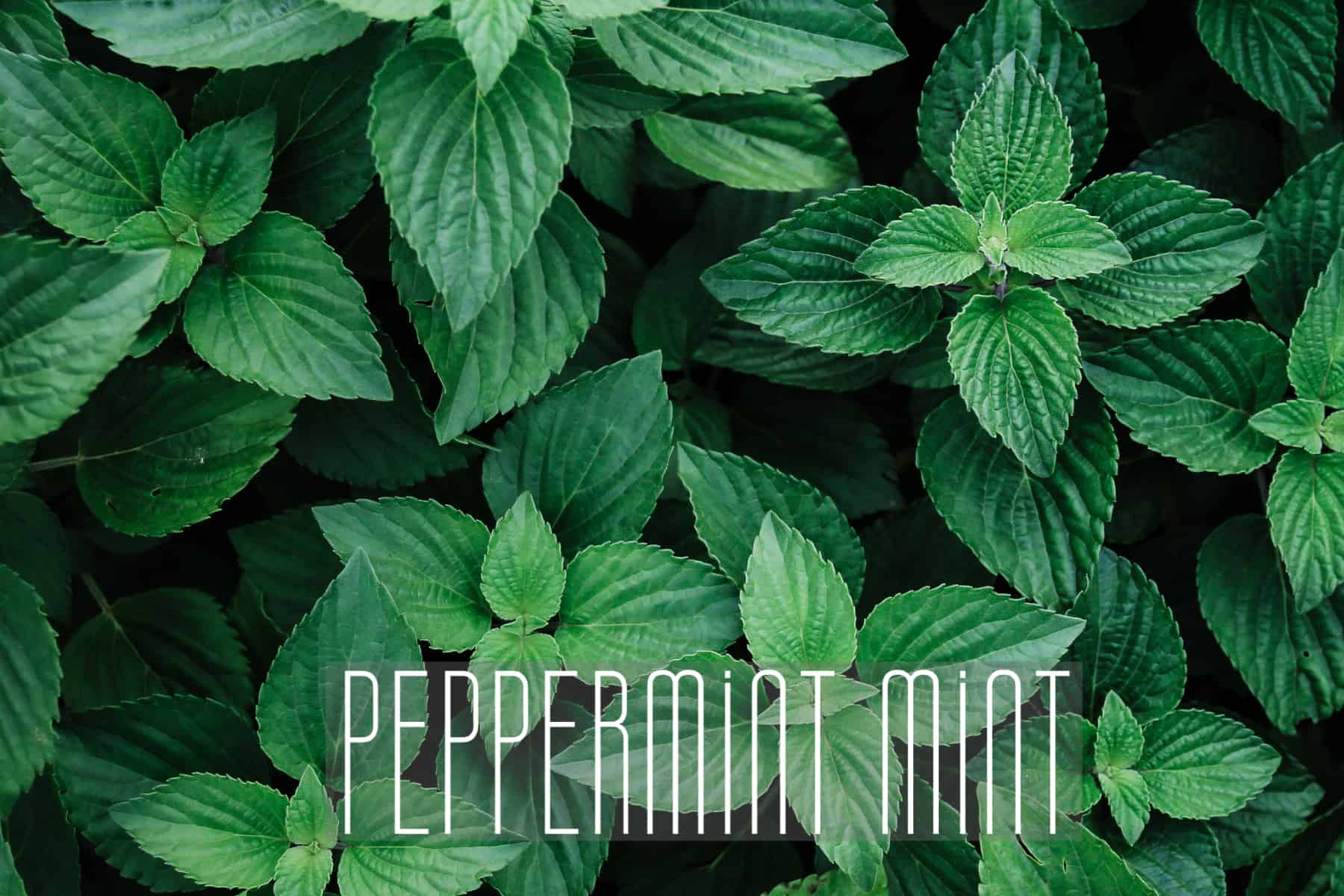
Peppermint (Mentha x piperita)
Peppermint has a cool, refreshing flavor with a strong minty taste. It is often used in candies, teas, and desserts.
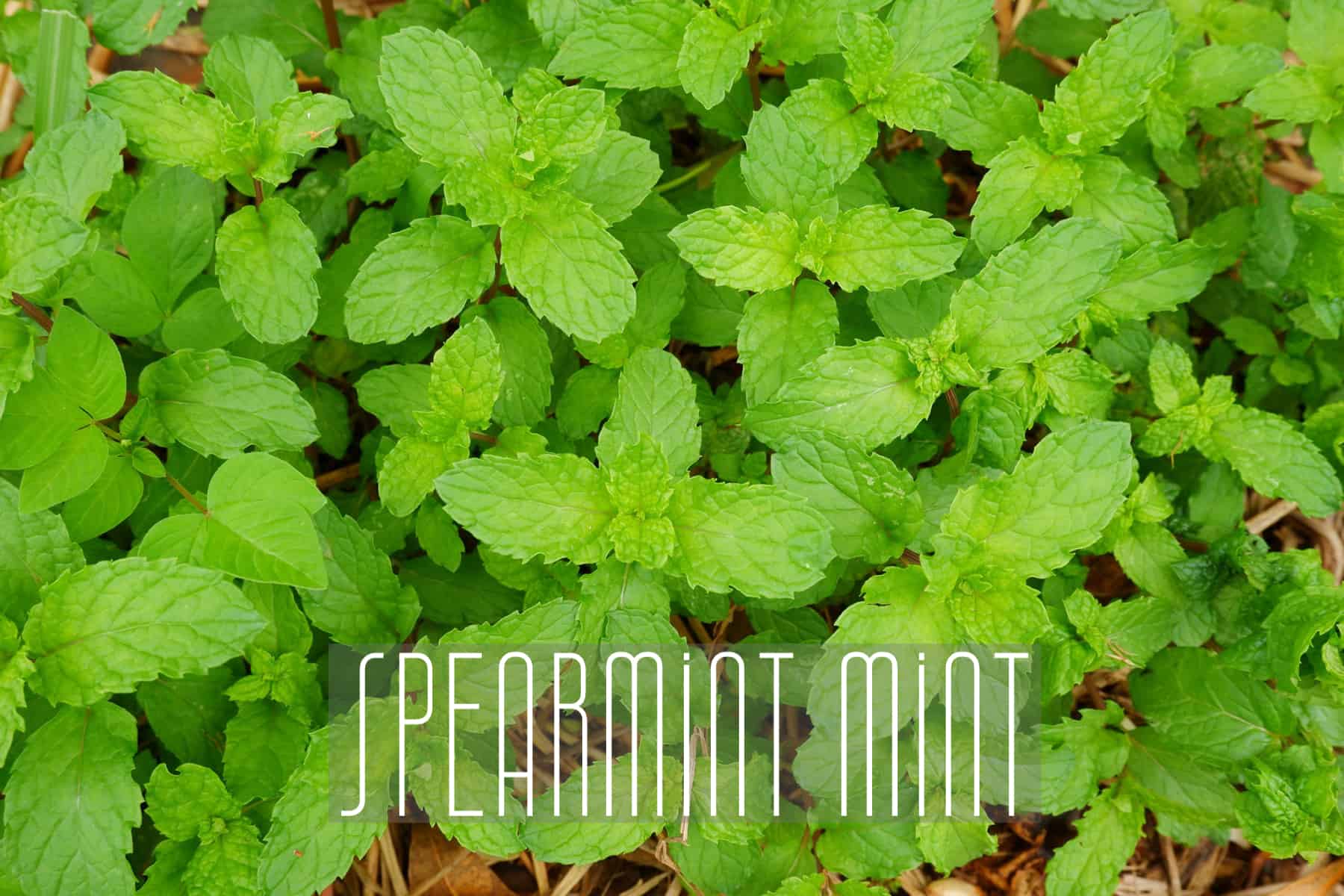
Spearmint (Mentha spicata)
Spearmint has a milder flavor than peppermint, with a slightly sweet taste. It is commonly used in savory recipes like salads, soups, and sauces.
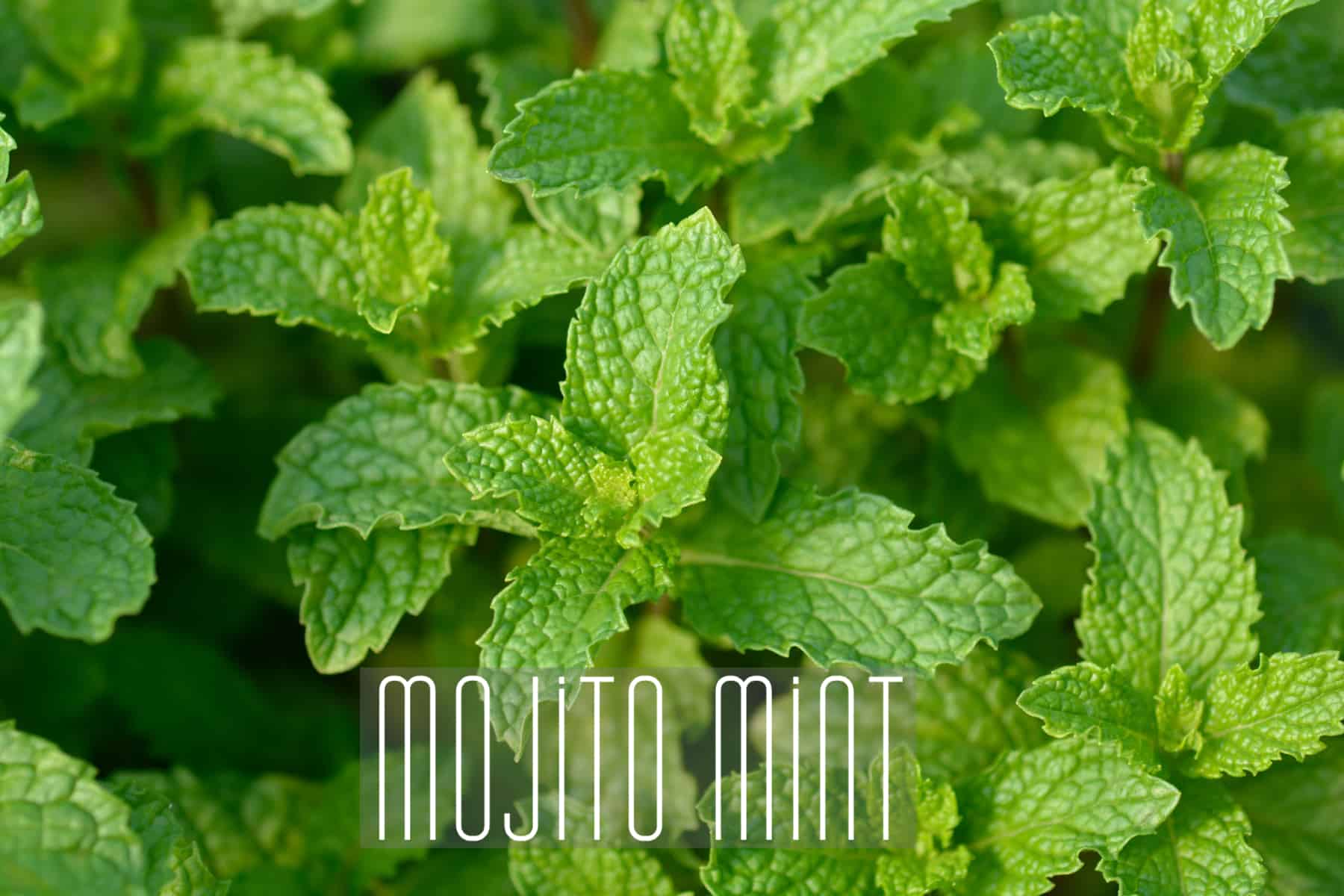
Mojito Mint (Mentha x villosa)
Mojito mint is a type of spearmint that is often used to make the classic Cuban cocktail, the mojito. It has a slightly sweeter flavor than regular spearmint.
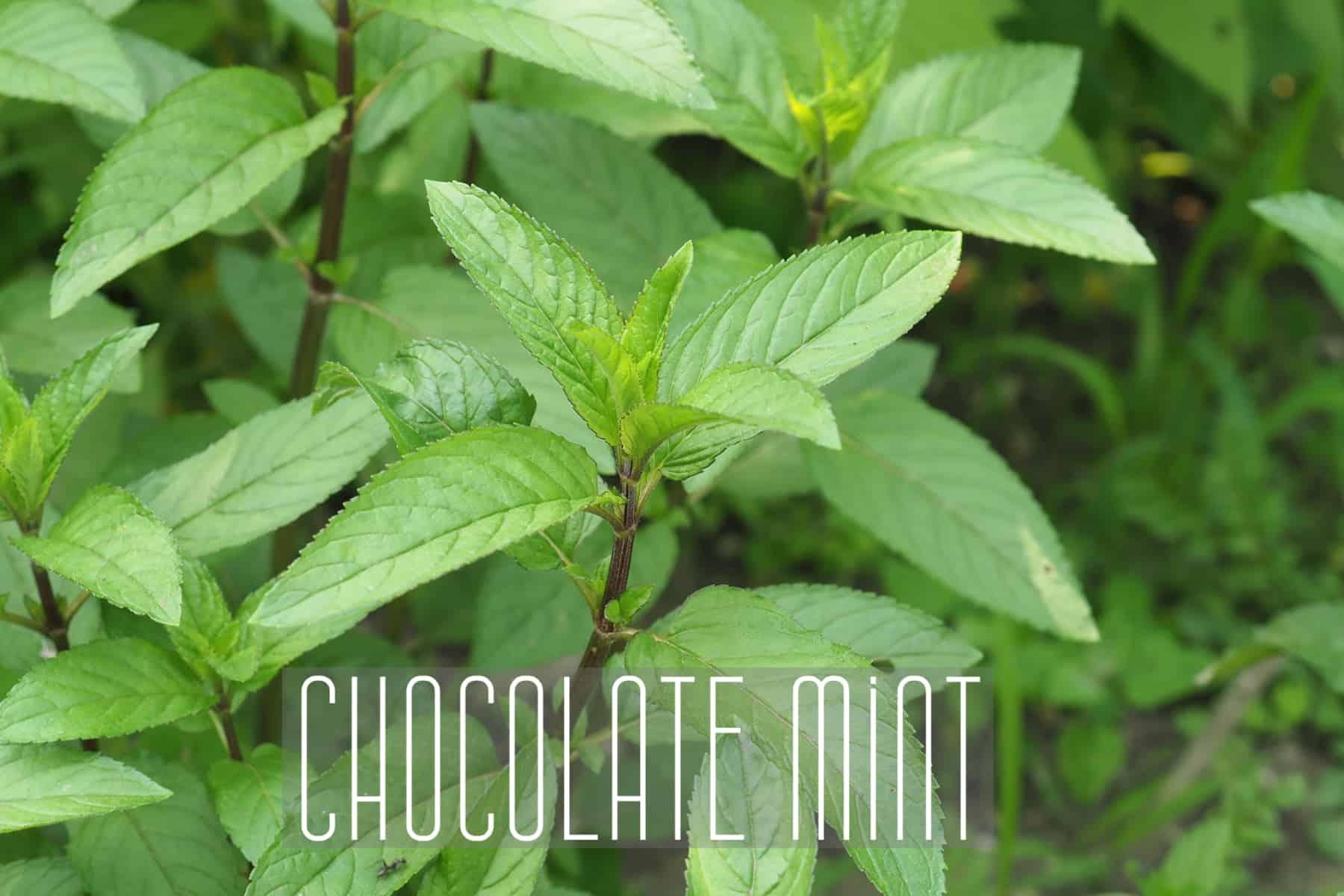
Chocolate Mint (Mentha x piperita f. citrata 'Chocolate')
Chocolate mint has a unique flavor that tastes like a combination of mint and smell of chocolate. It is often used in desserts and ice cream.
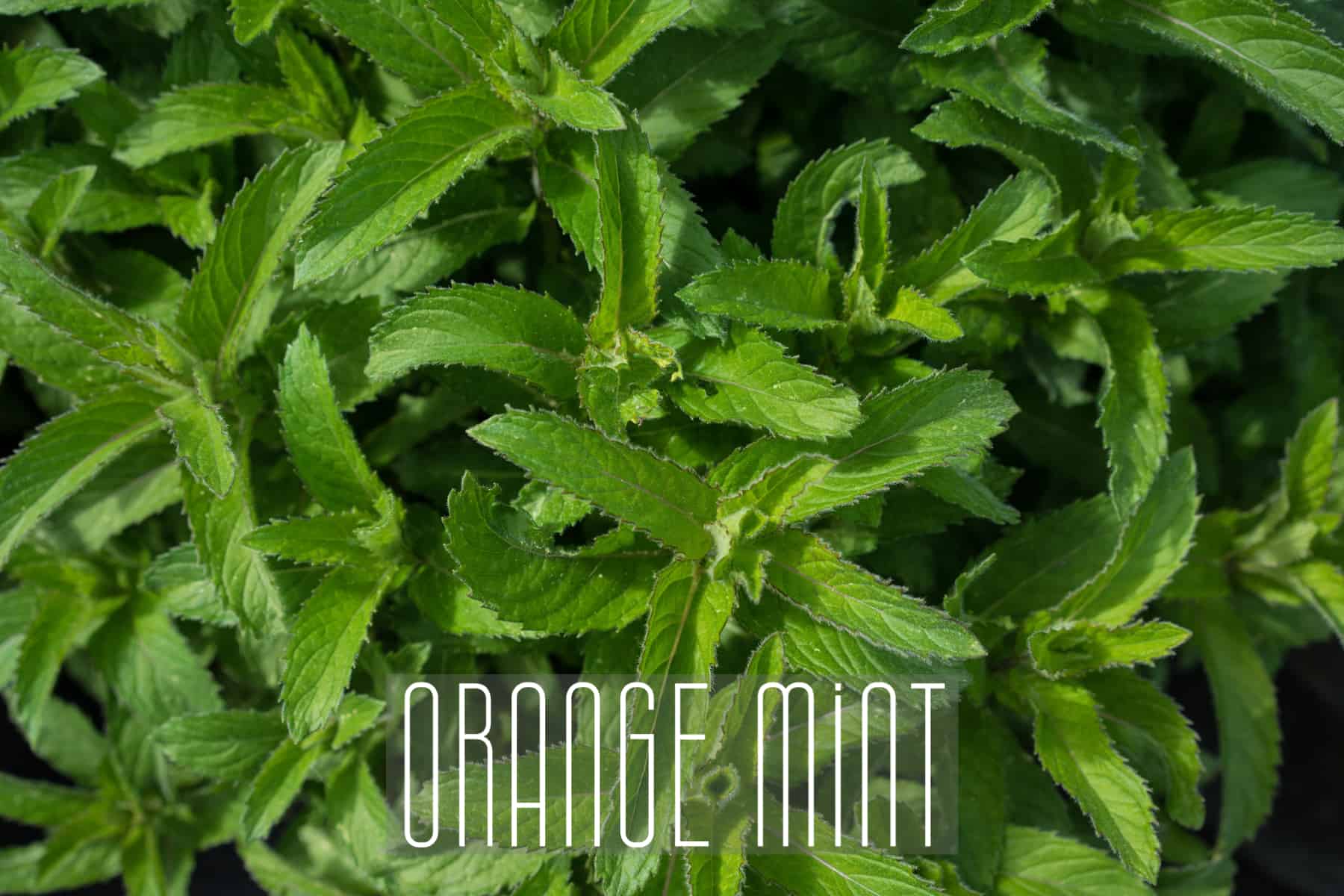
Orange Mint (Mentha citrata)
Orange mint has a citrusy flavor with a hint of mint. It is often used in fruit salads and cocktails.
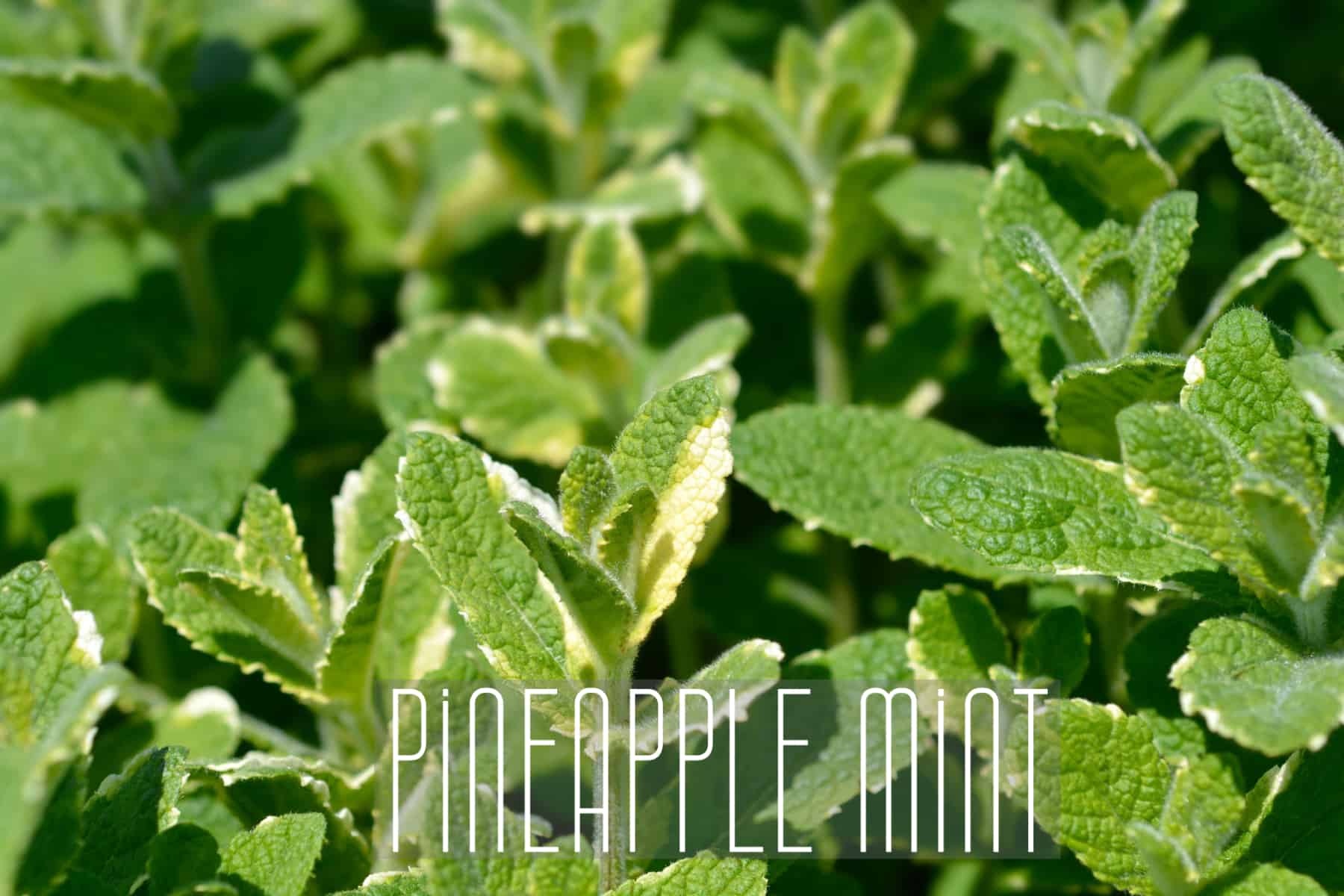
Pineapple Mint (Mentha suaveolens 'Variegata')
Pineapple mint has a sweet, fruity flavor with a hint of mint. It is often used in fruit salads, desserts, and cocktails.
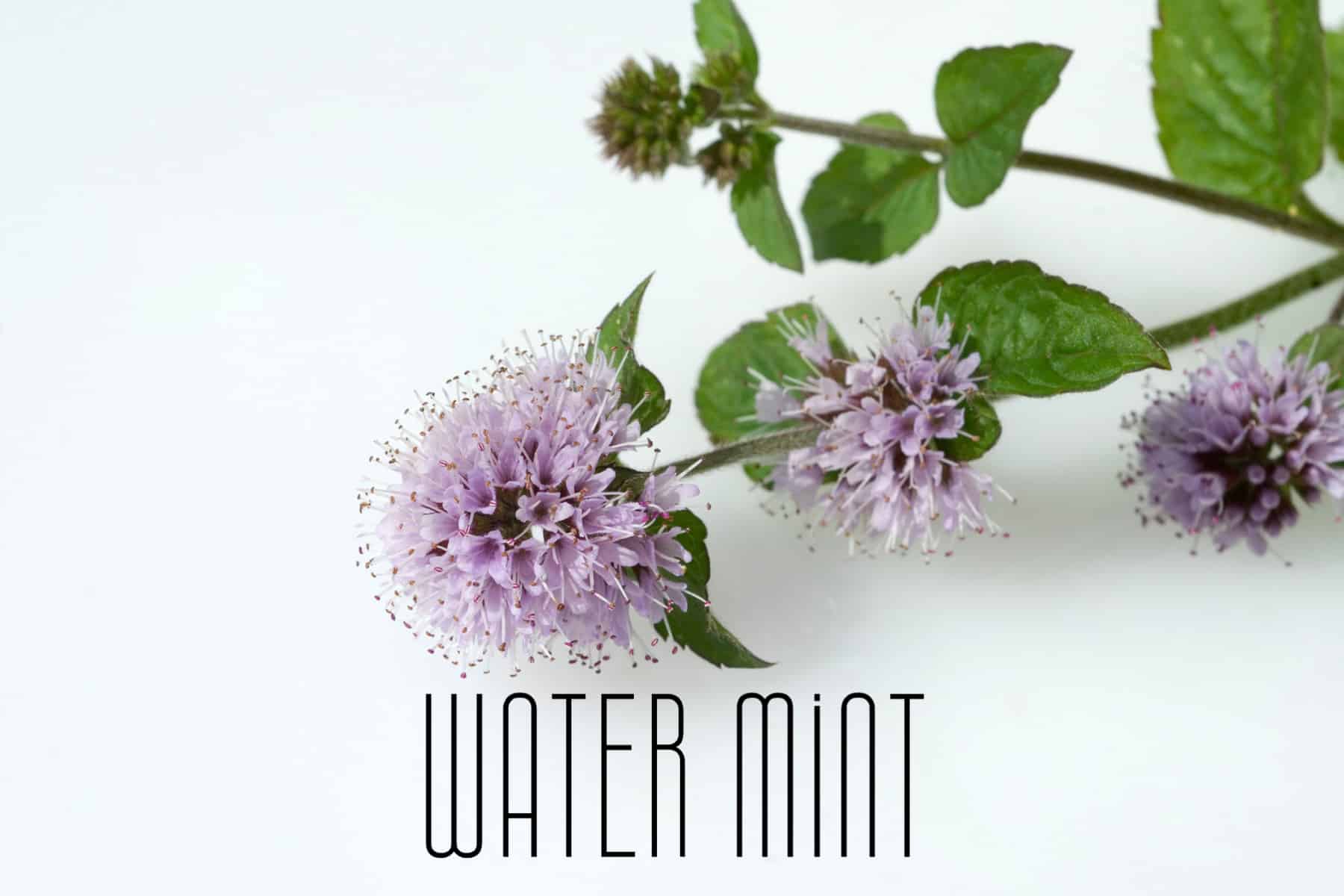
Water Mint (Mentha aquatica)
Water mint has a strong, refreshing flavor and is often used in teas, sauces, and salads.
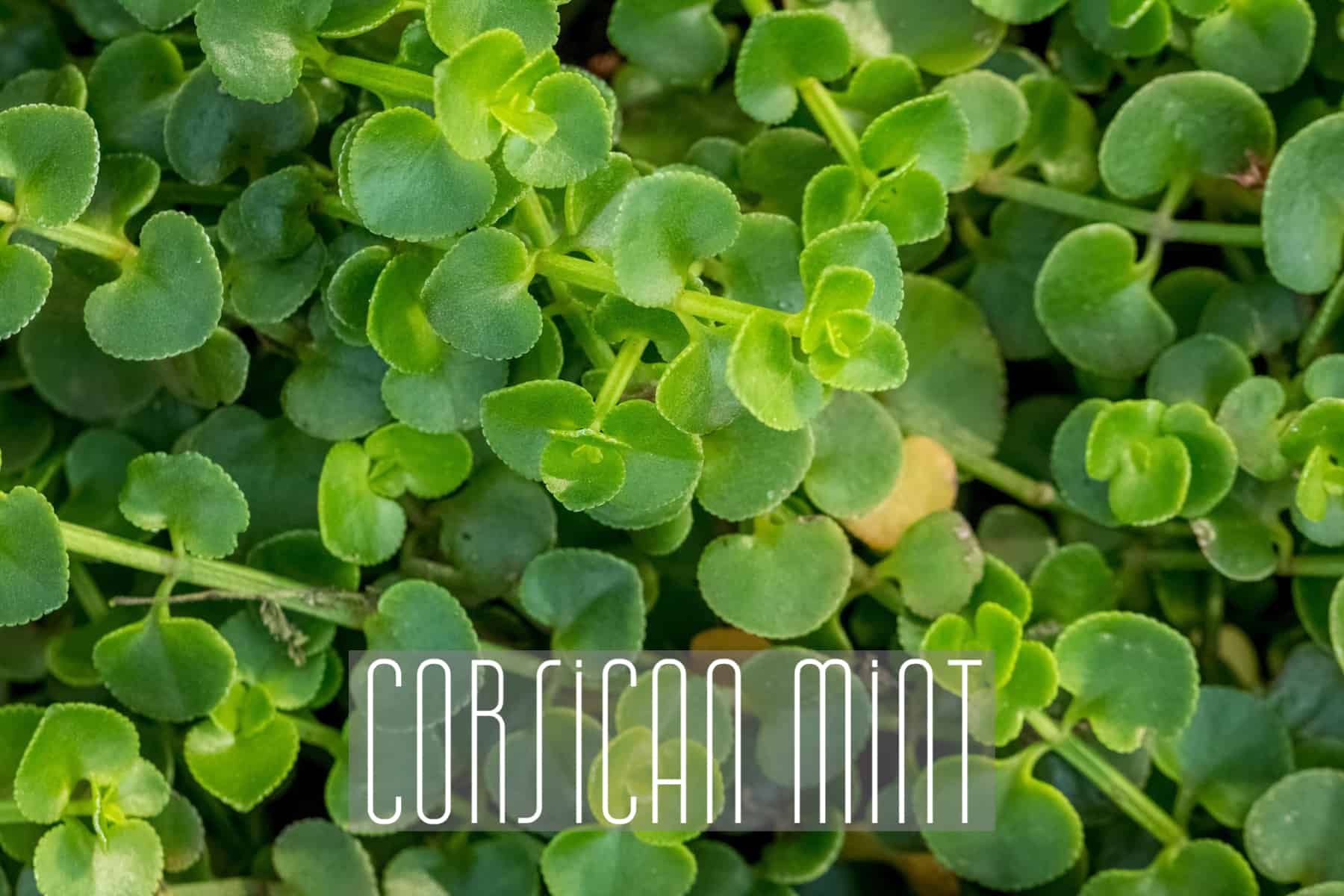
Corsican Mint (Mentha requienii)
This Corsican mint has a very strong mint flavor and is often used in breath mints and sore throat remedies.
Each type of mint has its own unique flavor profile that can add a delicious flavor to a variety of dishes and drinks. Experimenting with different varieties of mint can be a great way to discover new and delicious flavor combinations. If you're looking to start a herb garden and need some help figuring out which variation of mint would be the best choice, hopefully, this has you some good ideas.
Flavor Differences
We are going to just focus on mojito mint vs spearmint right now. Mojito mint has a slightly sweeter, milder flavor with a hint of citrus, while spearmint has a stronger, more refreshing flavor that is often described as cool and minty.
Both mint varieties are commonly used in beverages, such as the classic mojito cocktail (made with mojito mint) and the mint julep (made with spearmint), but they can also be used in a variety of sweet and savory recipes.
Which Mint Is Best for Mojitos?
Authentic answer: Mojito mint (Mentha x villosa) is what bartenders in Havana actually use - it's milder with subtle citrus notes that marry beautifully with the lime juice.
Practical answer: Spearmint is the most common substitute and works wonderfully. It's what 99% of mojitos in the US are made with, and it's what you'll find at every grocery store labeled simply as "mint."
My take: If you can grow your own or find mojito mint at a farmer's market, you'll taste the difference - it's softer and less aggressive on the palate. But fresh spearmint, used carefully, makes a fantastic mojito too. What you want to avoid is peppermint - its 40% menthol content (vs spearmint's 0.5%) will turn your drink into a glass of mouthwash.
Is Mojito Mint the Same as Spearmint?
No - but they're often confused, and here's why. They're both members of the Mentha family, but they're different species:
- Mojito mint is Mentha x villosa, a hybrid native to Cuba
- Spearmint is Mentha spicata, a true species found worldwide
Some grocery stores and seed suppliers label "sweet mint" or even Cuban-style varieties as "mojito mint," adding to the confusion. The simplest way to tell them apart: mojito mint has fuzzy, slightly larger leaves with a softer scent, while spearmint has smoother, more pointed leaves with that classic minty punch.
Can You Use Peppermint Instead of Mojito Mint?
Strongly avoid it. Peppermint contains roughly 40% menthol - about 80 times more than spearmint. Using it in a mojito turns the drink into something more like a cooled-down mouthwash than a cocktail.
If peppermint is all you have, use half the amount the recipe calls for, muddle very gently, and remove leaves from the glass before serving. But honestly? Skip the cocktail and have a peppermint tea instead.
Where Can You Buy Mojito Mint?
Mojito mint is rarely stocked in grocery stores - you'll usually need to:
- Farmer's markets - Especially in spring/early summer, look for vendors who specialize in fresh herbs
- Specialty plant nurseries - Bonnie Plants and Burpee occasionally carry it as "Sweet Mint"
- Online seed retailers - Richters Herbs and Strictly Medicinal Seeds carry authentic Mentha x villosa
- Grow your own - Mint is one of the easiest herbs to grow (and notoriously aggressive - always plant in a container)
How They Grow and Are Harvested
Both mojito mint and spearmint are perennial herbs that can grow up to 2 feet tall. They prefer moist soil and full sun, but can also tolerate partial shade. Mint plants have square stems and dark green leaves with white flowers that bloom in the summer.
The best time to harvest mint is in the morning when the oils in the leaves are most concentrated. To harvest mint, simply snip off the young leaves with a sharp pair of scissors or pruning shears.

Mint is a perennial herb, which means it will come back year after year if it is grown in the right conditions. It grows best in moist soil and prefers to be watered regularly. It also needs good drainage to prevent the roots from rotting.
Be careful where you plant your mint though as it can quickly take over an area. To prevent this, you may want to consider planting mint in a container or a separate bed away from other plants.
It's typically harvested by cutting the stems just above a set of leaves. This encourages new growth and helps to keep the plant healthy which can be used fresh or dried and can be stored for later use in an airtight container.
📖 Recipes
Here at Tabetha's Table, we love our Coconut Mojito Recipe. It tastes like summer in a glass and I just can't get enough. Coconut LeCroix is mixed with muddled mojito mint, cream of coconut & rum.
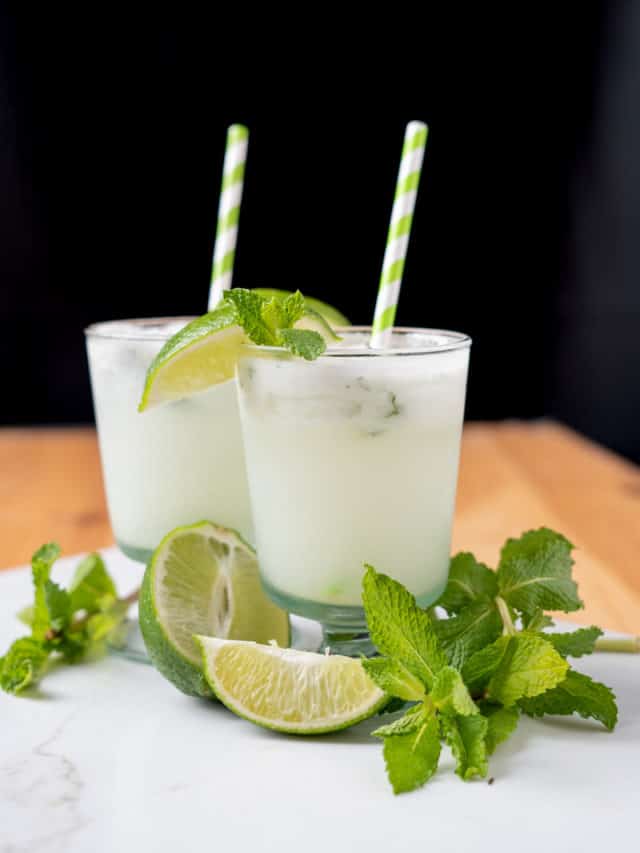
Mojito mint and spearmint can be used in a variety of recipes, both sweet and savory. Mojito mint is particularly well-suited for sweet dishes, such as fruit salads, ice cream, and sorbets.
While spearmint is often used in savory recipes, such as a Green Harissa Sauce by Happy Kitchen Rocks, a light and bright Mint Coleslaw by Jamil Ghar, or an amazingly fresh Mint Summer Salad by Fresh Coast Eats.
It's also the preferred mint for making the Cuban cocktail, the Classic Mojito. While spearmint is the mint of choice for the Kentucky Derby's signature drink, the Mint Julep.
Medicinal Uses
Mint is a popular herb that has been used for its medicinal properties for centuries. Here are some of the potential health benefits of consuming mint:
Digestive Aid: Mint has been shown to aid digestion and relieve symptoms of indigestion, bloating, and gas. It can also stimulate the production of bile, which helps to break down fats in the digestive system.
Respiratory Health: The menthol in mint can help to relieve symptoms of respiratory problems such as congestion and coughing. It may also have a soothing effect on the throat and help to reduce inflammation.
Oral Health: Mint has natural anti-inflammatory and antibacterial properties, making it an excellent choice for oral hygiene. It can help to freshen your breath, reduce gum inflammation, and fight against harmful bacteria that can cause cavities.
Stress Relief: The aroma of mint has a calming effect on the body, and can help to reduce feelings of stress and anxiety. It may also improve cognitive function and memory.
Pain Relief: Mint has natural pain-relieving properties and may help to reduce headaches and muscle pain.
Skin Health: Mint has anti-inflammatory and antibacterial properties that can help to soothe and heal skin conditions such as acne, eczema, and psoriasis.
Weight Loss: Mint can aid in weight loss by reducing appetite and increasing feelings of fullness.
Both mojito mint and spearmint are low in calories and high in antioxidants, making them a healthy addition to any diet. However, mojito mint has slightly higher levels of Vitamin C and lower levels of iron than spearmint.
Making Essential Oils
Making essential oils with mint can be a fun and rewarding process. Here's a simple method you can use:
Harvest the mint: Harvest the mint when the plant is in full bloom and the leaves are dry. Choose a sunny day and harvest the mint in the morning when the essential oils are most concentrated.
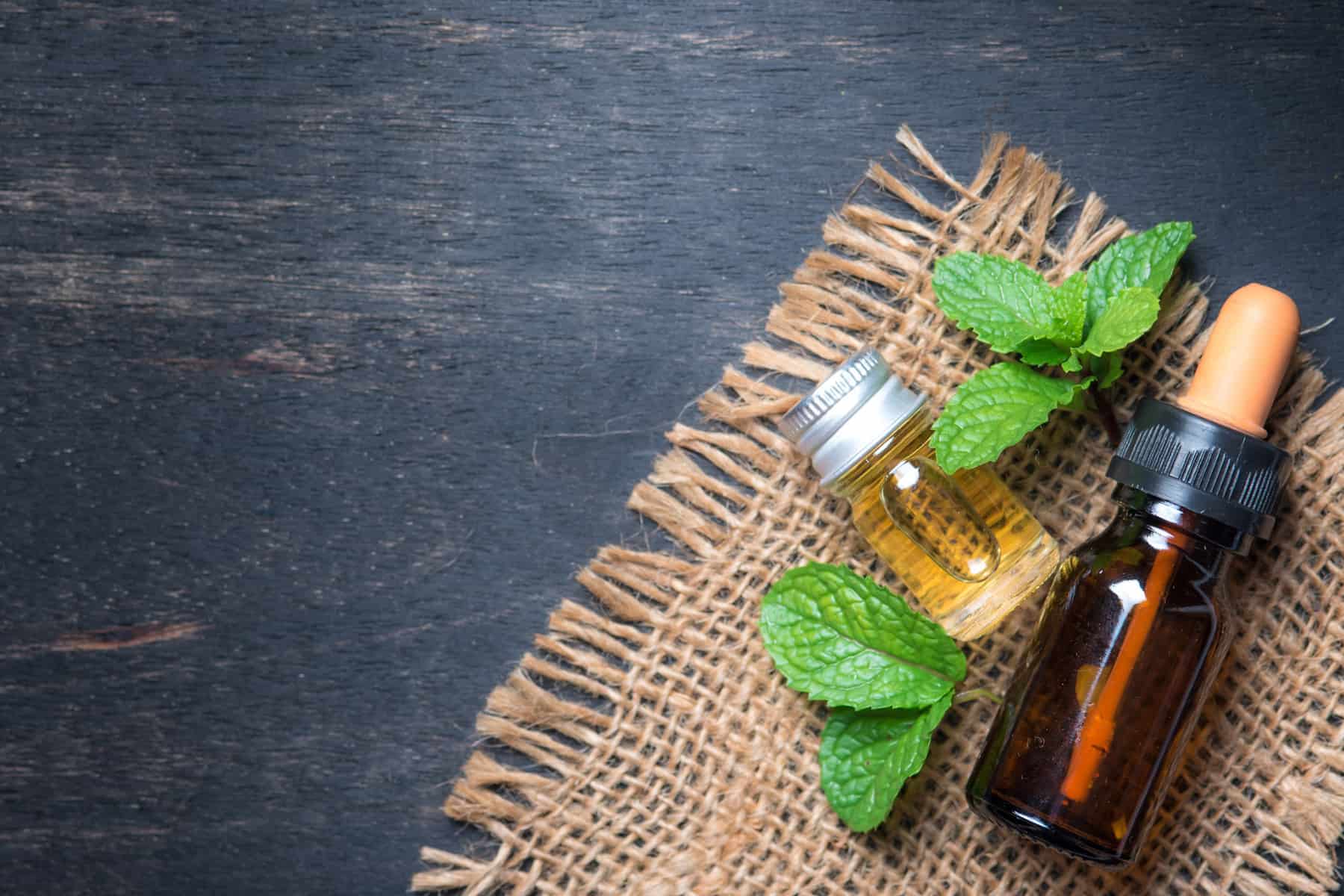
Prepare the leaves: Rinse the leaves with water to remove any dirt or debris. Let them air dry for a few hours until they are completely dry.
Crush the leaves: Crush the mint leaves to release the essential oils. You can use a mortar and pestle or your hands.
Distill the oil: You can use a steam distillation method to extract the essential oil from the mint leaves. Place the crushed leaves in a still and add enough water to cover them. Heat the still until the water boils, and then reduce the heat to a simmer. As the steam rises, it will carry the essential oil with it. Collect the steam in a separate container and allow it to cool. The essential oil will rise to the top.
Store the oil: Once the oil has cooled, transfer it to a dark glass bottle and store it in a cool, dark place. Be sure to label the bottle with the date and type of oil.
Making essential oils with mint can be a great way to create a natural and aromatic product for use in aromatherapy, skincare, or other household uses. It is important to note, however, that essential oils can be potent and may cause skin irritation or other adverse reactions if not used properly. Be sure to dilute the essential oil before using it and consult a healthcare professional if you have any concerns.
Frequently Asked Questions
Mojito mint has a milder, sweeter flavor with subtle citrus notes that distinguish it from common spearmint. It's less aggressive on the palate, which is why it pairs so well with lime in cocktails.
No, mojito mint is actually milder than spearmint. Spearmint has a more pronounced minty punch (about 0.5% menthol), while mojito mint contains less menthol overall and offers a smoother, sweeter profile.
Yes! Spearmint is the most common substitute for mojito mint in cocktails. It's what most US bars use, and it works beautifully in a classic mojito - just use it sparingly to avoid overpowering the drink.
Yes, mojito mint does well in containers near a sunny window. It needs at least 4-6 hours of bright light daily and well-drained soil. Like all mints, it's vigorous, so a container actually helps keep it manageable.
Mojito mint is a Cuban hybrid (Mentha x villosa) that only became popular in the US in the early 2000s. Most grocery stores stock common spearmint instead. To find authentic mojito mint, try farmer's markets, specialty plant nurseries, or online seed retailers.
In Cuban tradition, yes - "yerba buena" refers to the same Mentha x villosa species that's used in authentic Havana mojitos. The name literally means "good herb" in Spanish.
Related Comparison Guides
- Pepper-curious too? Here's the differences between fresno and jalapeño peppers - a similar "looks alike, behaves different" situation.
- Brunch cocktail decision fatigue? My bellini and mimosa comparison sorts the two MVPs.
- From garnish to dessert - the differences between gelato and ice cream is your next deep dive.





Comments
No Comments