
Ice cream is one of those words that does a lot of heavy lifting. Gelato, sorbet, custard, kulfi, soft serve - technically cousins, but they don't behave the same in the bowl, on the spoon, or coming out of the machine.
The differences come down to three things: fat, air, and what's doing the freezing. Once you know those, the whole category clicks into place.
Here's every type worth knowing - what makes each one what it is, and which ones are actually worth making at home. Let's dig in.
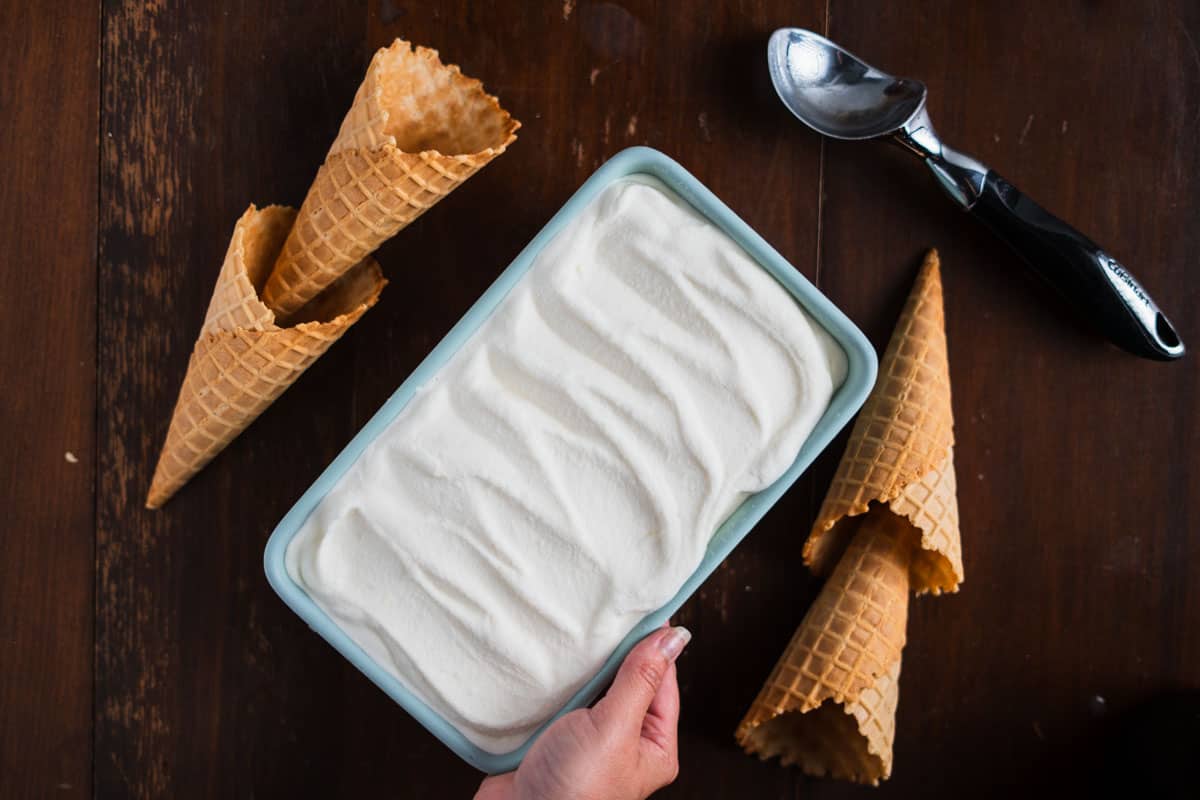
Jump to:
- What Actually Makes Ice Cream Ice Cream?
- American-Style (Philadelphia) Ice Cream
- French-Style Ice Cream
- Gelato
- Sorbet
- Sherbet
- Soft Serve - Our Vanilla Ice Cream Eaten Right Away
- Frozen Yogurt
- Rolled Ice Cream
- Kulfi
- Ice Cream Novelties
- Why Are There So Many Types?
- Tools to Make Your Own Ice Cream
- Related Reading
- FAQ
- 💬 Comments
What Actually Makes Ice Cream Ice Cream?
Three levers separate every frozen dessert on this list. Keep them in mind and the rest of the page makes sense:
- Butterfat. In the US, a product can only legally be called "ice cream" if it's at least 10% milkfat. Drop below that and it becomes something else - frozen dairy dessert, ice milk, and so on. Fat is what makes ice cream taste rich and feel smooth.
- Overrun. The industry word for how much air gets whipped in while churning. Premium ice cream might run 20-25% overrun; cheap grocery cartons can hit close to 100%, which is why they melt into a sad puddle the second they leave the freezer. Less air means denser, more flavorful ice cream.
- What does the freezing. Eggs (custard / French-style), no eggs (Philadelphia / American), or no dairy at all (sorbet). This one decision changes everything about texture.
American-Style (Philadelphia) Ice Cream
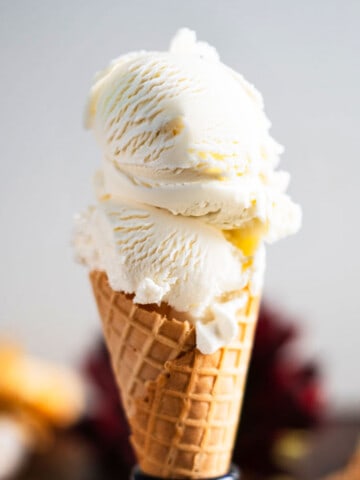
Light, creamy, egg-free. American-style - or "Philadelphia" - ice cream is the most straightforward version there is: milk, cream, sugar, maybe a splash of vanilla, churned smooth. No custard, no tempering, no babysitting egg yolks over a double boiler.
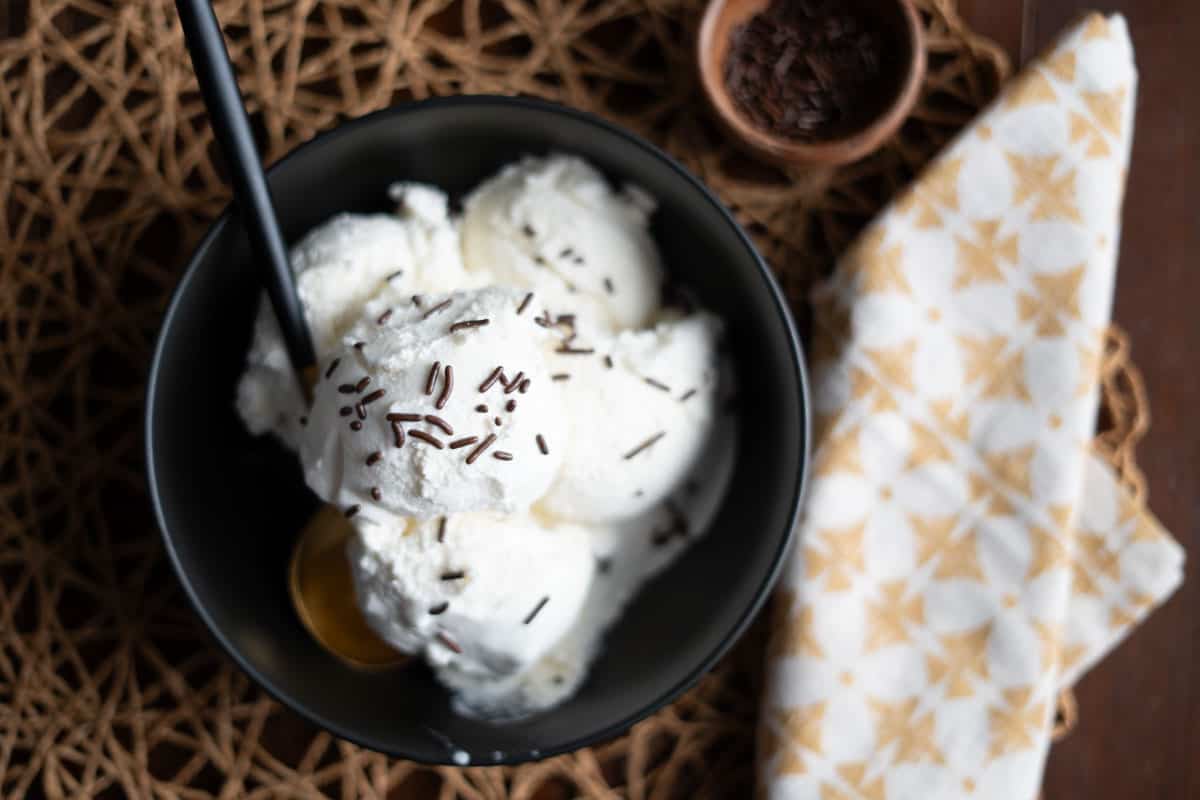
This is the style behind our Mexican Vanilla Ice Cream - we keep it deliberately egg-free so it's the recipe I can hand to anyone making ice cream for the very first time. Clean flavor, genuinely hard to mess up. It's also the recipe my son learned on before he graduated to the fancier stuff (more on that in a second).
French-Style Ice Cream
Rich, custardy, luxurious. French-style starts with a cooked base of egg yolks - basically crème anglaise that you freeze. The yolks do double duty: they add fat and they emulsify, which is exactly why custard ice cream scoops softer and feels denser and silkier on the tongue.
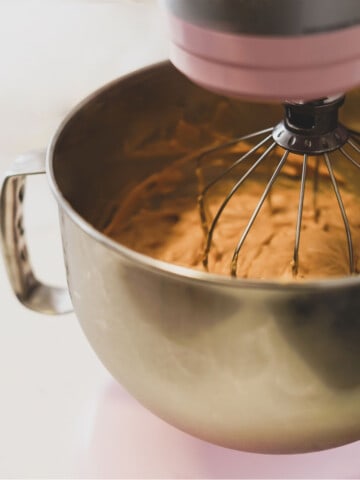
This is the base we make most at home, and I can't take the credit. My 15-year-old, Noah, started churning our simple vanilla in the KitchenAid years ago and has since promoted himself to resident ice cream guy. The usual exchange: "Mom, do we have ice cream?" "I don't think so." "Ugh. Fine. I'll make some." Four pints of French custard later, we're all quietly negotiating with our swimsuits for the summer.
Think crème brûlée in frozen form. Fancy, yes. Easy enough for a teenager to make on a Tuesday - also yes.
Gelato
Gelato is the Italian word for ice cream, but it isn't the same thing - and the differences are real. It's churned slower and with far less air (low overrun), so it comes out denser and the flavor hits harder. It also runs higher in milk and lower in cream than American ice cream, which means less butterfat coating your tongue and more of the actual flavor coming through.
The other secret is temperature: gelato is served about 10-15°F warmer than ice cream, so it's softer and silkier the moment it hits the spoon. The first time I made a proper pistachio gelato, that serving-temperature difference was the thing that surprised me most - same spoon, completely different experience. Want the full breakdown? I went deep in Gelato vs Ice Cream: 6 Key Differences.
Sorbet
Dairy-free and all about the fruit. Sorbet is just fruit purée, sugar, and water churned until smooth - no milk, no cream, no eggs. Done right, the texture is silky and slushy, never icy.
Here's the thing I learned the hard way: the sugar isn't only there for sweetness. Too little and your sorbet freezes into a solid brick you could break a spoon on. The sugar is what keeps it scoopable - so don't underdo it. Lemon, mango, and raspberry are the classics, and a good sorbet is still the best palate cleanser there is.
Sherbet
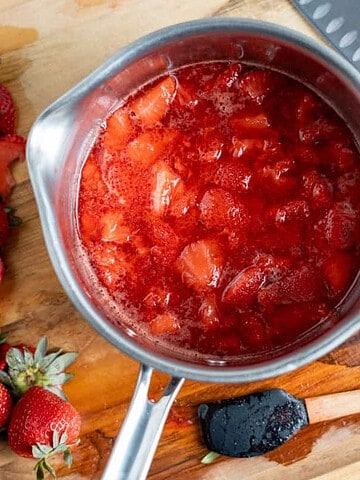
Sherbet splits the difference between sorbet and ice cream. It's fruit-forward like sorbet but with a little dairy worked in - US rules put it between roughly 1-2% butterfat, just enough to soften the texture without making it truly creamy. Strawberry and orange are the nostalgic picks, and that small hit of dairy is exactly what makes sherbet taste like childhood.
Soft Serve - Our Vanilla Ice Cream Eaten Right Away
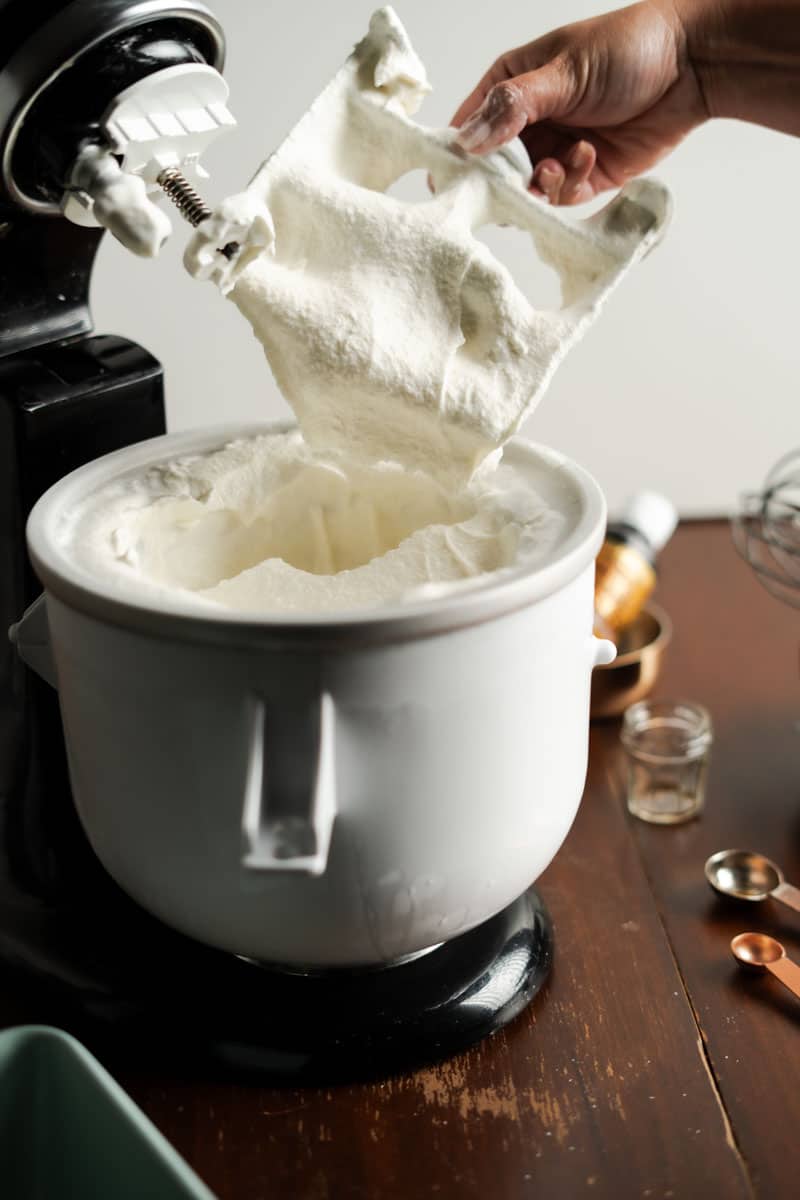
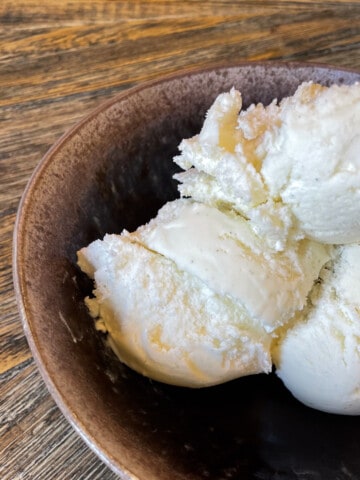
Soft serve is ice cream's fun, whimsical cousin. Air is whipped in during freezing using a soft serve machine, so it's lighter and fluffier than hard-packed varieties - and because it's served straight from the machine at a warmer temperature, it never fully hardens. That's the whole appeal: those swirls into a sugar or waffle cone at the fair, eaten immediately. Honestly, our homemade vanilla straight off the churn paddle is the closest thing to it.
Frozen Yogurt
Froyo swaps some or all of the cream for cultured yogurt, which gives it that signature tang. The "healthier" reputation is complicated, though - once you hit the self-serve toppings bar, a loaded froyo can quietly out-sugar a scoop of regular ice cream. Tangy, lighter on fat, not automatically virtuous. Still delicious.
Rolled Ice Cream
This one comes from Southeast Asia, made by pouring a liquid base onto a frozen steel plate, chopping in mix-ins, then scraping the set sheet into delicate little rolls. It's as much performance as dessert - half the fun is watching it made. The texture lands somewhere between soft serve and hard ice cream, and it's a genuine experience more than an everyday scoop.
Kulfi
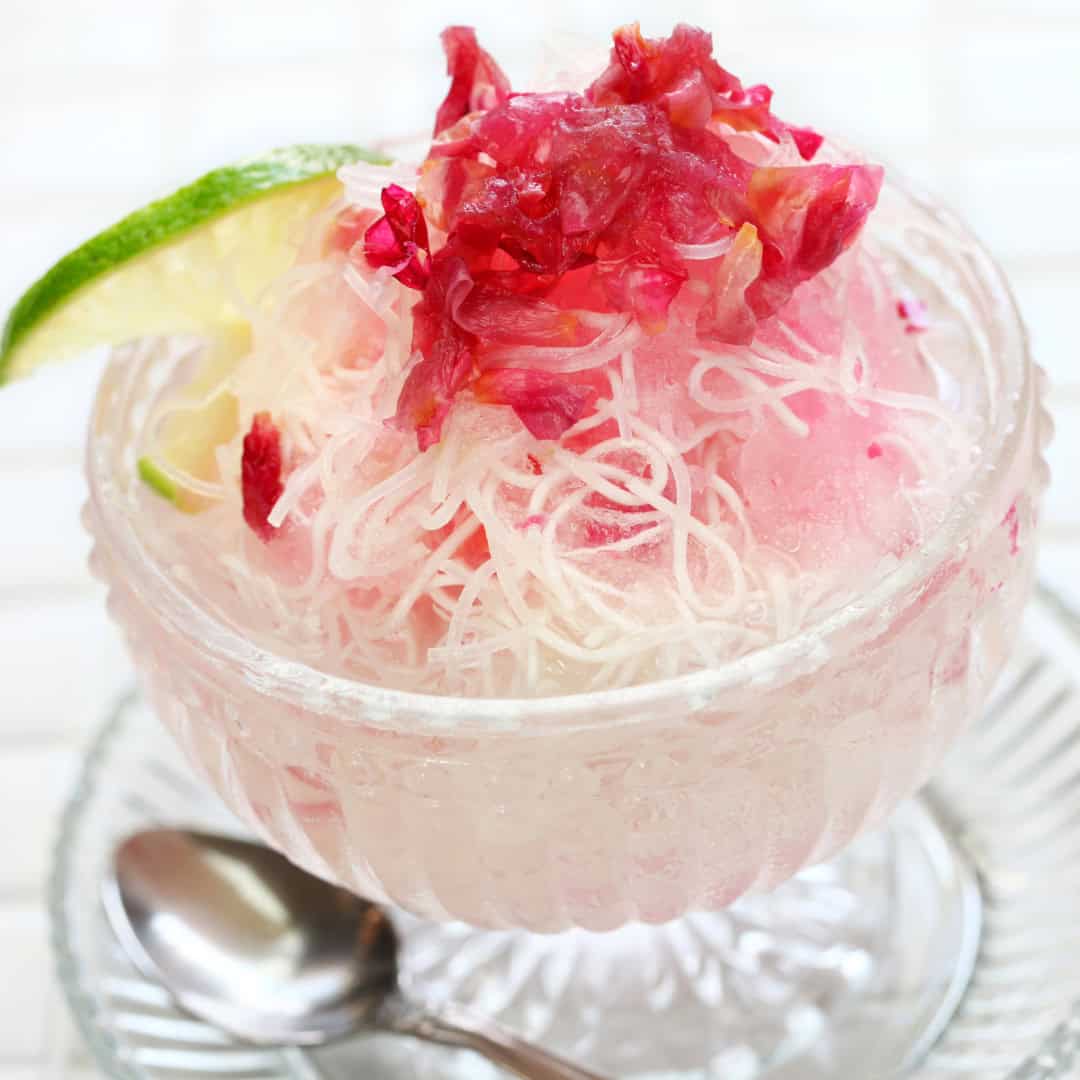
A staple across India and South Asia, kulfi is traditional frozen dairy made by slowly simmering milk until it reduces and caramelizes, then freezing it with almost no churning. That means very little air, so kulfi is famously dense and slow to melt - closer to frozen fudge than to a fluffy scoop. It's usually flavored with cardamom, pistachio, saffron, or mango, and it carries centuries of history in every bite.
Ice Cream Novelties
Think popsicles, ice cream sandwiches, drumsticks, and mochi ice cream. These pre-packaged, handheld treats are built for eating on the go - or for a hit of pure nostalgia. You'll find them in the grocery store freezer aisle or chasing down the neighborhood ice cream truck on a hot afternoon.
Why Are There So Many Types?
Because every culture that got its hands on cold and sweet made it their own. Different climates, dietary needs, and traditions each pushed those three levers - fat, air, and freezing method - in a different direction. The result is a frozen dessert with a history as rich as its texture.
So next time you're at the grocery store or your favorite scoop shop, try something outside your usual. A dense kulfi, a bright sorbet, a proper Italian gelato. Life's too short for just one scoop.
Tools to Make Your Own Ice Cream
Feeling inspired to make your own? Start with our easy KitchenAid ice cream recipe - it's the one Noah learned on - or grab one of these top-rated ice cream makers to churn up a batch:
- Cuisinart Ice Cream Maker - A fantastic choice for beginners looking to make homemade ice cream with ease.
- KitchenAid Ice Cream Attachment - A great add-on for those who already own a KitchenAid mixer.
- Ninja Ice Cream Maker - A powerful and versatile option that lets you customize texture and mix-ins for a truly personalized frozen treat.
And if you're making ice cream in batches or gifting your creations, we absolutely love these one-time use ice cream paper pints. Perfect for storing your homemade treats, sharing with friends, or just keeping your freezer organized.
Ready to start churning? Let's make some ice cream magic.
Related Reading
Want to go deeper into the world of ice cream? A few related guides:
- Curious how Italian gelato stacks up to American ice cream? Read Gelato vs Ice Cream: 6 Key Differences.
- Discover where it all began in the History of Ice Cream.
- Ready to make your own? Try our KitchenAid Ice Cream Recipe - the most popular post on Tabetha's Table for a reason.
- For a Mexican twist, check out Easy Mexican Vanilla Ice Cream.
FAQ
Gelato is made with more milk, less cream, and far less air than American ice cream. That means lower butterfat and lower overrun, which makes gelato denser and more intensely flavored. It's also served warmer, so it feels softer and silkier on the spoon.
Overrun is the amount of air whipped into ice cream during churning, measured as a percentage. Premium ice cream runs low (around 20-25%) for a dense, rich scoop, while inexpensive grocery brands can reach close to 100%, which is why they feel airy and melt quickly.
Frozen custard (French-style) is made with egg yolks, while standard American ice cream is egg-free. The yolks add fat and act as an emulsifier, giving custard a denser, silkier, softer-scooping texture than regular ice cream.
Sorbet is dairy-free and typically lower in fat, but it can contain just as much sugar as regular ice cream - sometimes more, since sugar is what keeps it scoopable. It's a lighter option, not automatically a low-sugar one.
Sometimes. Froyo is usually lower in fat than ice cream because yogurt replaces some of the cream, but it's often higher in sugar - and a loaded toppings bar can erase any advantage fast. Plain, lightly topped froyo is the lighter choice; a candy-piled bowl is not.
Yes! No-churn recipes use sweetened condensed milk folded into whipped heavy cream to create a creamy, scoopable texture with no special equipment - just a bowl, a whisk or mixer, and the freezer.
Mochi ice cream is a Japanese treat made of chewy rice-flour dough wrapped around small scoops of ice cream, combining a soft, stretchy shell with a cold, creamy center.
Soft serve has more air whipped in than traditional ice cream and is served at a warmer temperature straight from the machine, which gives it that light, airy texture and makes it easy to swirl into a cone.




Comments
No Comments