
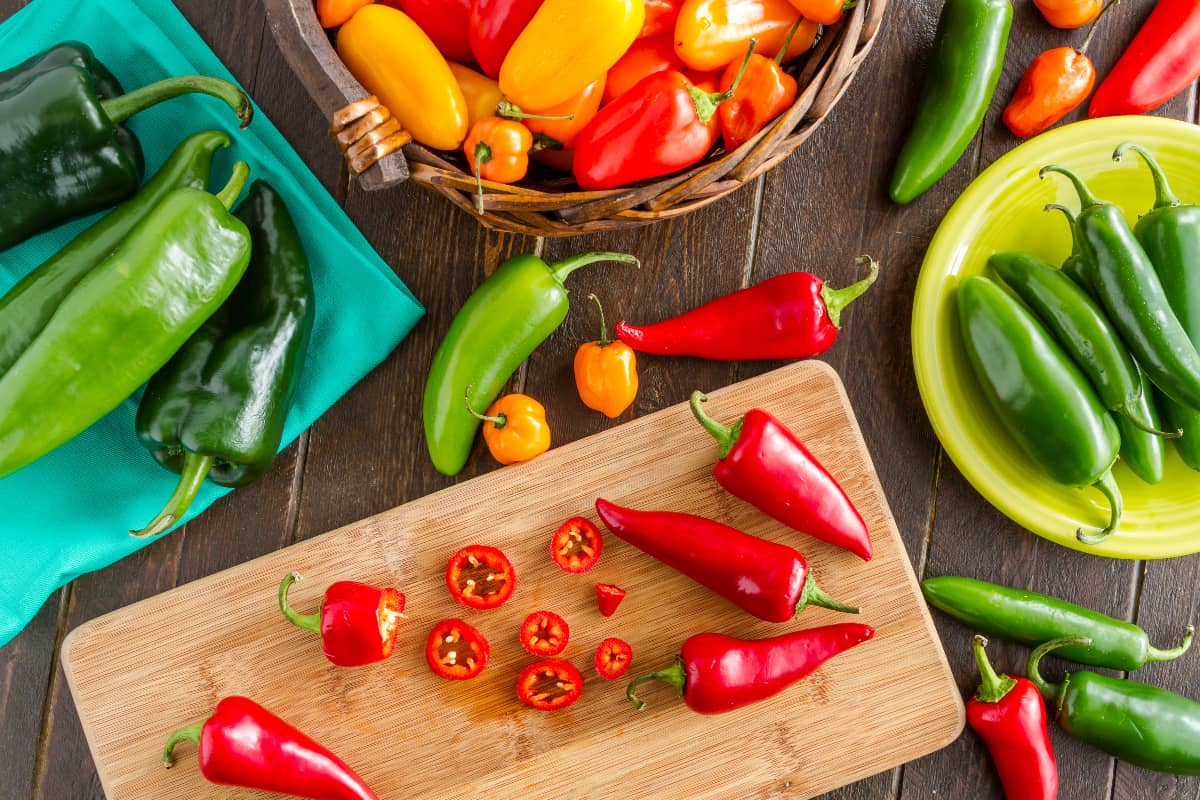
Fresno peppers vs jalapeño - which one belongs in your dish tonight? I get asked this all the time, and I love how similar these two little powerhouses look at first glance (both packing that gorgeous green-to-red color change) yet how different they taste once you dig in. Whether you're building the perfect salsa, stuffing poppers for game night, or just staring at the produce bin wondering what to grab, this guide breaks down the heat, the flavor, and the best ways to use each pepper - so you'll never second-guess yourself in the kitchen again.
Jump to:
- Fresno Peppers vs Jalapeno: Which Packs More Heat?
- Flavor Profiles: Fresno vs Jalapeño
- Appearance and Structure: Fresno vs Jalapeño
- Fresno Peppers vs Jalapeno: Best Substitutes for Each
- Recipe Ideas: Cooking With Fresno Peppers and Jalapeños
- Beyond Fresno Peppers vs Jalapeno: Other Chili Peppers to Know
- Fresno Peppers vs Jalapeno: Which One Should You Use?
- Related Comparison Guides
- 💬 Comments
Fresno Peppers vs Jalapeno: Which Packs More Heat?
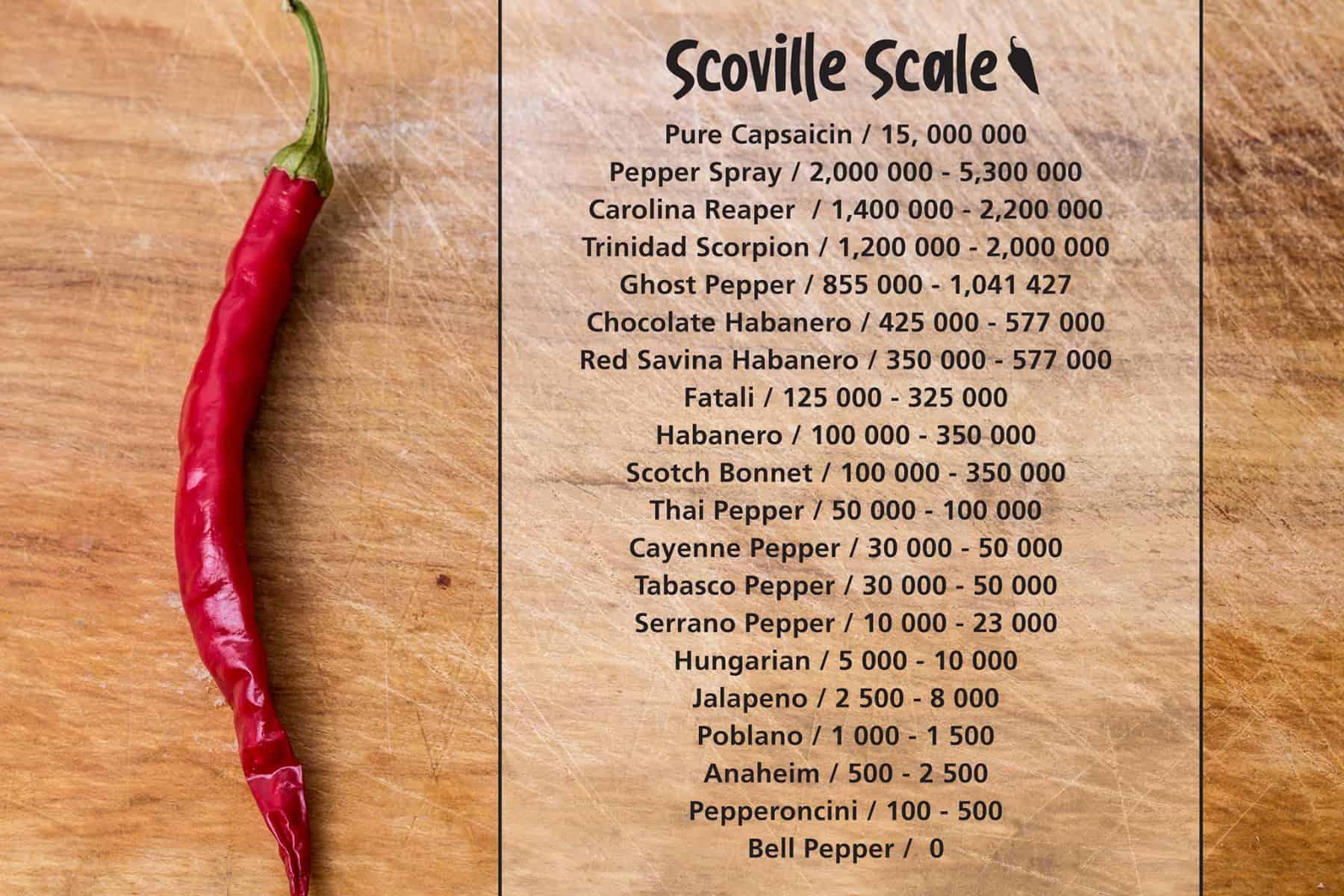
Here's the fun part: Fresno peppers vs jalapeño heat is closer than you'd think. Both peppers sit in a similar zone on the Scoville Scale - nowhere near ghost-pepper territory, but enough to give a dish real personality.
Jalapeño Peppers: 2,500-8,000 SHU (Scoville heat units)
Fresno Chili Peppers: 2,500-10,000 SHU
Looking for something milder? Anaheim and poblano peppers will ease you in gently. Craving more fire? My husband Jon goes straight for habanero peppers when he wants his senses to soar! Check out the chart below to see exactly where jalapeños, Fresno chilies, and scorchers like the Carolina Reaper land on the Scoville Scale.
Flavor Profiles: Fresno vs Jalapeño
Heat is only half the story. Fresno peppers bring a fruitier taste with a zesty tang, while jalapeños lead with bold, grassy spice. Whether it's the crisp snap of a green jalapeño or the lush sweetness of a red Fresno, both peppers know how to make a dish sing.
Green Jalapeños: Green jalapeños are the younger version of their red counterparts, picked before they fully ripen. These thick-walled, medium-sized chilies are prized for their crisp texture and moderate heat - fresh, tangy, and just spicy enough without overwhelming the dish. That milder edge (compared to red jalapeños) makes them a go-to for salsas, stuffed poppers, and just about everything in between.
Red Fresno Chilies: That deep red color is your first clue: Fresno chilies bring a rich, fruity flavor with a sweet undertone balanced by moderate heat. It's the kind of flavor that adds a beautiful twist to French, Italian, or Mexican recipes alike.
Appearance and Structure: Fresno vs Jalapeño
Jalapeño: Thicker Walls, Bright Green
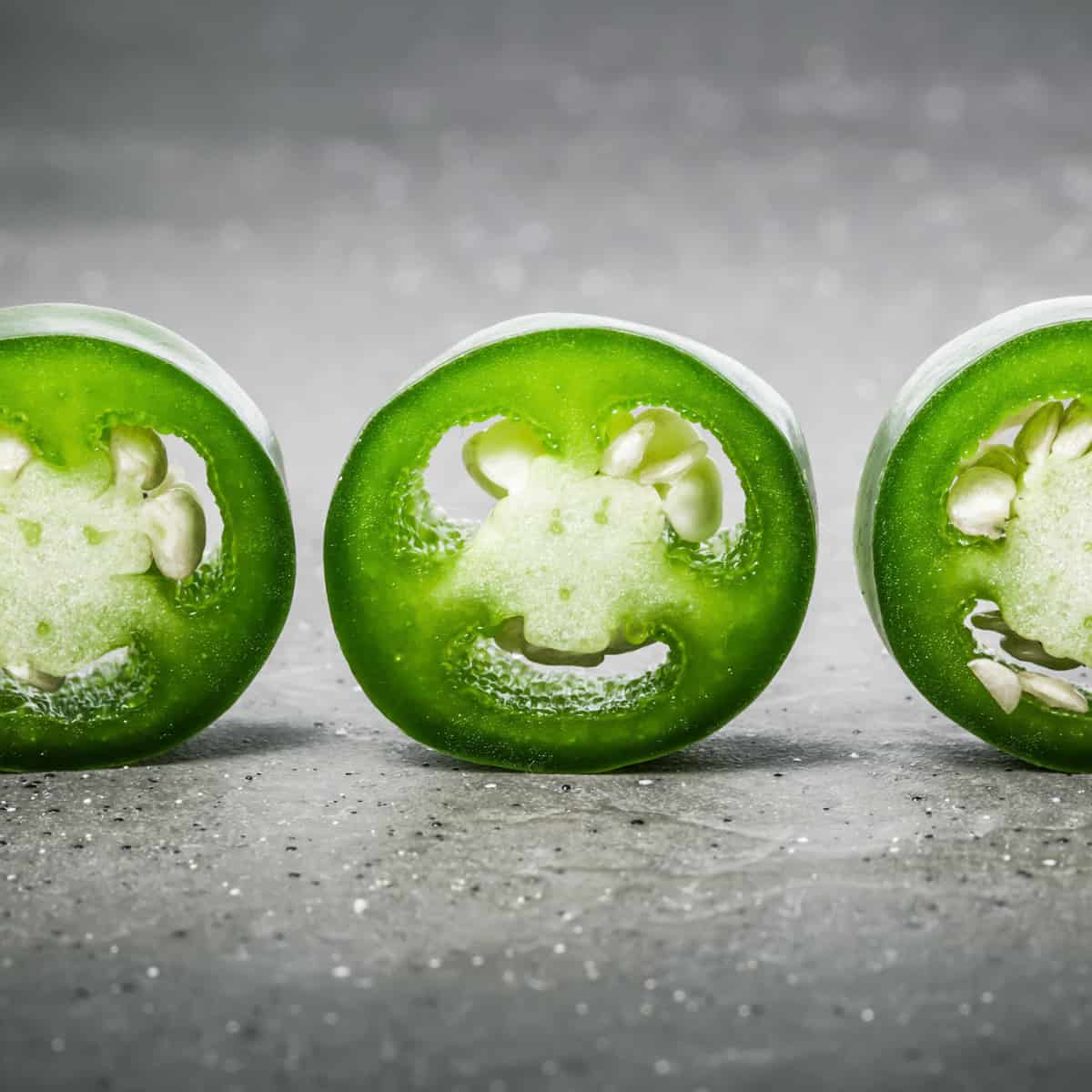
- Color: Jalapeños are usually bright green when fully mature, though they'll ripen to red if left on the vine long enough. That green hue is your cue to a fresh, grassy flavor.
- Shape: Typically 2-3.5 inches long with a smooth, slightly curved surface.
- Texture: Thicker skin gives jalapeños a satisfying, crunchy bite.
Structure:
- Wall Thickness: Those thick walls make jalapeños perfect for stuffing - think classic popper appetizers for your next family game night.
- Heat Distribution: Most of the heat lives in the seeds and veins, but the thicker flesh mellows things out, so a whole jalapeño eats a little milder than you'd expect.

Fresno Chili: Thinner Walls, Vivid Red Peppers
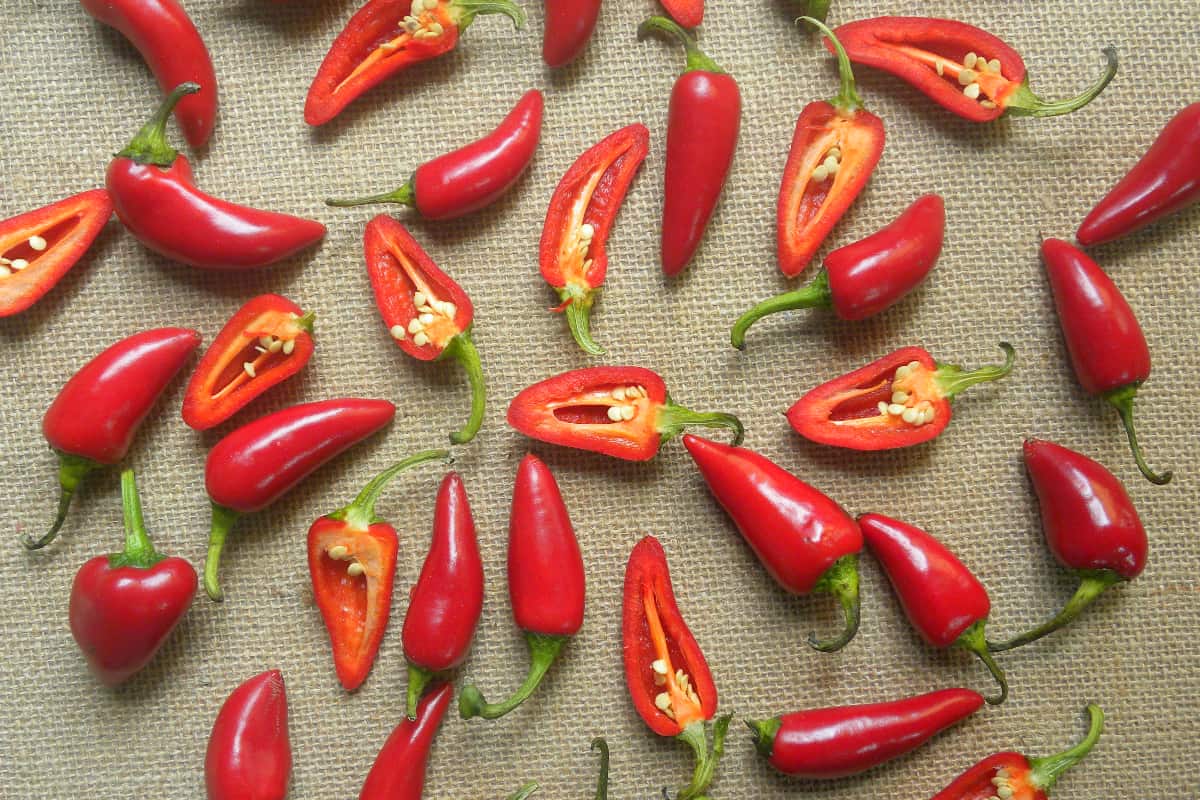
- Color: That vibrant red is your visual cue to Fresno's rich, fruity flavor - and it makes a gorgeous contrast on the plate.
- Shape: Slightly smaller than jalapeños, Fresno chilies run about 2 inches long with a sleek, tapered end.
- Texture: Thinner, more delicate skin gives them a softer bite.
Structure:
- Wall Thickness: Thin walls make Fresno chilies ideal for slicing into rings for salads, sauces, or a gorgeous garnish.
- Heat Distribution: Because the walls are thinner, the heat comes through more pronounced - worth keeping in mind when you're balancing a dish.
Fresno Peppers vs Jalapeno: Best Substitutes for Each
Fresno Pepper Alternatives
- Serrano Peppers: Similar flavor with a hotter edge
- Red Chili Peppers: Great for red Fresno-inspired dishes
- Banana Peppers: A sweet, gentle stand-in
Jalapeño Pepper Alternatives
- Fresno Chili Peppers: A fabulous match!
- Serrano Peppers: For when you want extra fire
- Green Fresno Pepper: The medium-sized green option you didn't know you needed
Recipe Ideas: Cooking With Fresno Peppers and Jalapeños
From Mexican feasts to homemade hot sauces, these peppers shine in all kinds of dishes. Jon and I love experimenting with both in our kitchen, and I hope this list sparks your next spicy creation too!
Fresno Pepper Recipes
- Hot Sauce: Blend red Fresnos with garlic and vinegar
- Hot Pepper Jelly: A sweet-spicy glaze for meats
- Stuffed Peppers: Cream cheese, cheddar, and sausage
Jalapeño Pepper Recipes
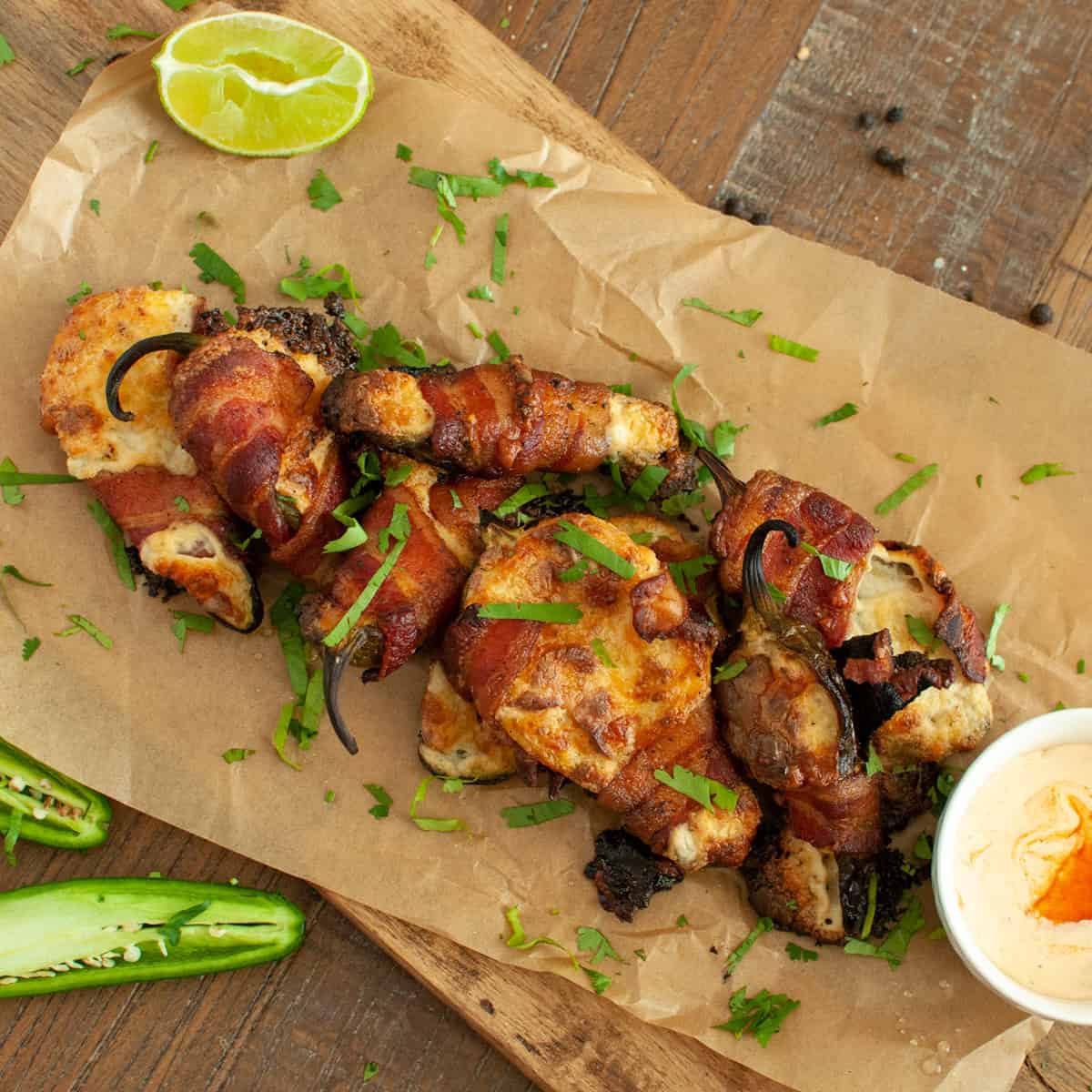
- Jalapeno Poppers: Perfect for family gatherings!
- Quick Pickled Jalapenos
- Jalapeno Shrimp Appetizer
Beyond Fresno Peppers vs Jalapeno: Other Chili Peppers to Know
Chili peppers are a wildly diverse bunch, each one bringing its own dance of flavor and heat to the table. From the spicy kick of cayenne to the fruity charm of red jalapeños, there's a whole spectrum to explore beyond just Fresno peppers vs jalapeño. Let's meet a few more members of the family.
Red Jalapeño Peppers
These bright red beauties are a visual treat, and the flavor matches. Red jalapeños are milder than their green counterparts, with a natural sweetness that adds a touch of fruitiness. They're a favorite across the U.S. for that extra zing in everything from salsas to glazes.
Cayenne Peppers
Thin-walled and seriously spicy, cayenne peppers don't hold back. They're the pepper of choice when a dish needs a real kick - most often ground into chili powder, with a more aggressive heat than the milder Fresno chile.
Green Chilis
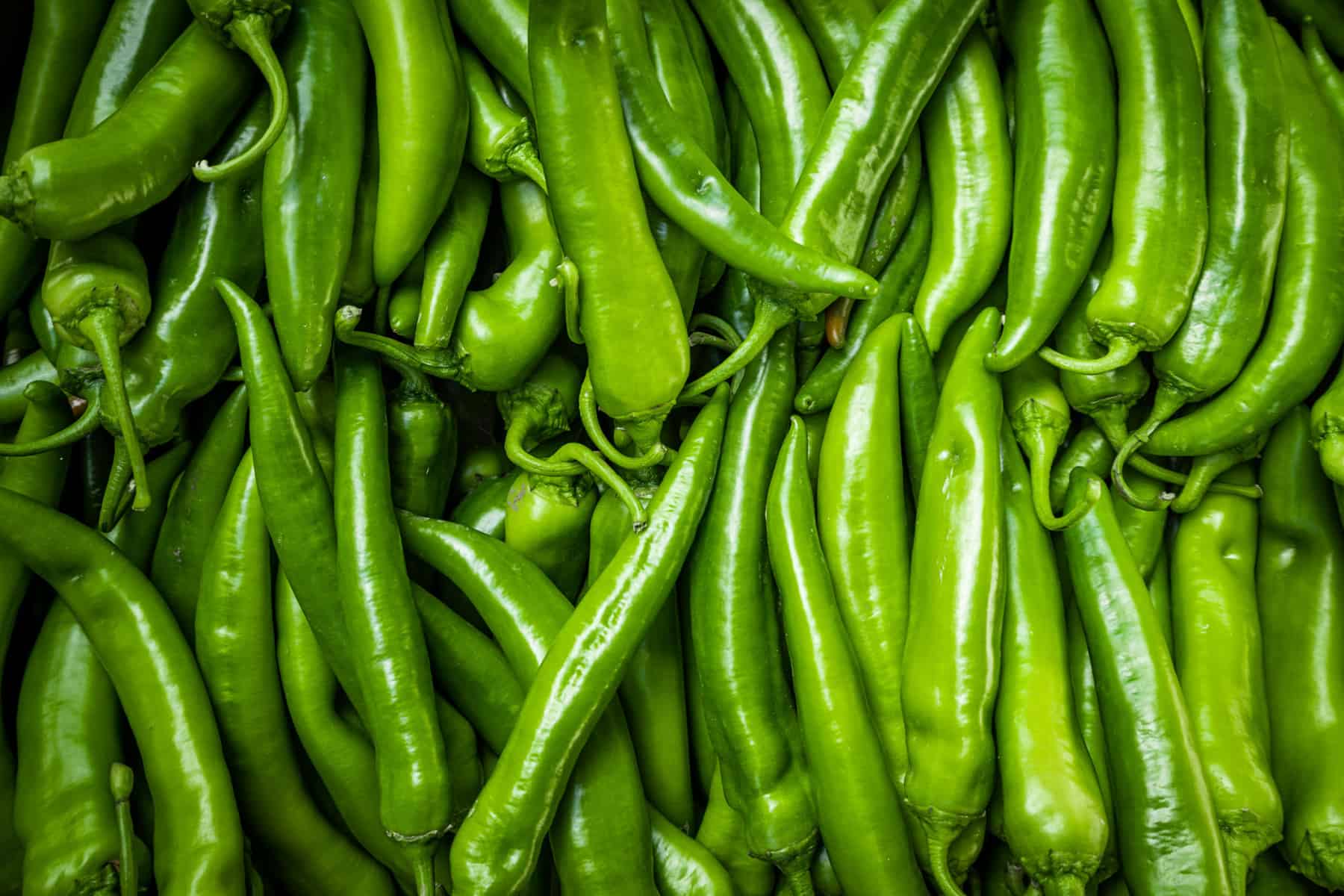
These bright green peppers bring a mild-to-moderate heat and thin walls that add crisp texture wherever they land. Their tangy freshness makes them a great choice if you want to dip a toe into spicy food without diving in headfirst.
Chipotle Pepper
Here's a fun twist: chipotle peppers are actually ripe red jalapeños that have been dried and smoked. That smoky, rich flavor is a Mexican-cuisine staple, and it's what gives chili powder that deep, unmistakable warmth.
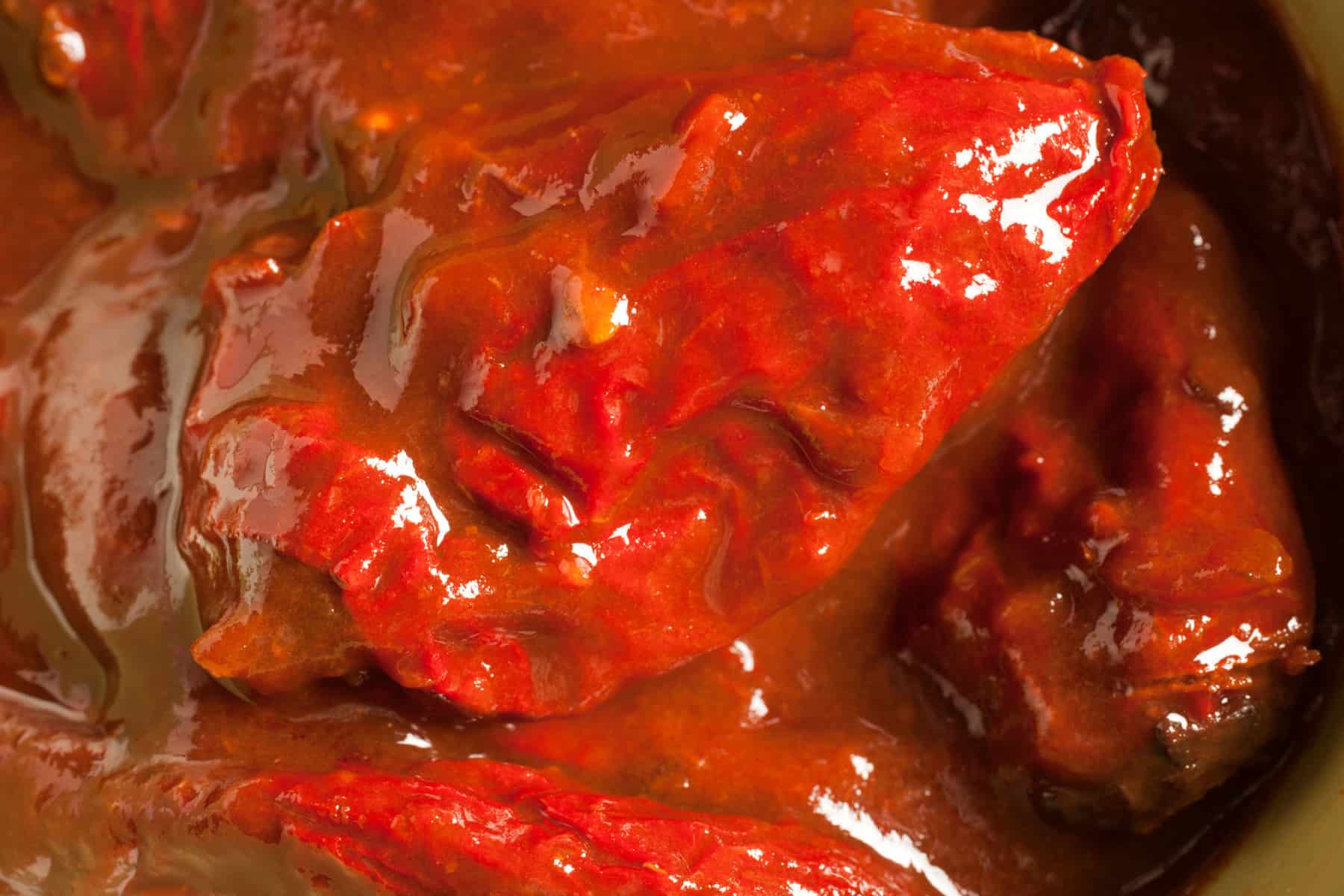
You'll also find chipotles canned in a rich sauce called Chipotle in Adobo - one of my favorite shortcuts for adding smoky heat and depth to a dish in seconds.
Chile de Árbol Pepper
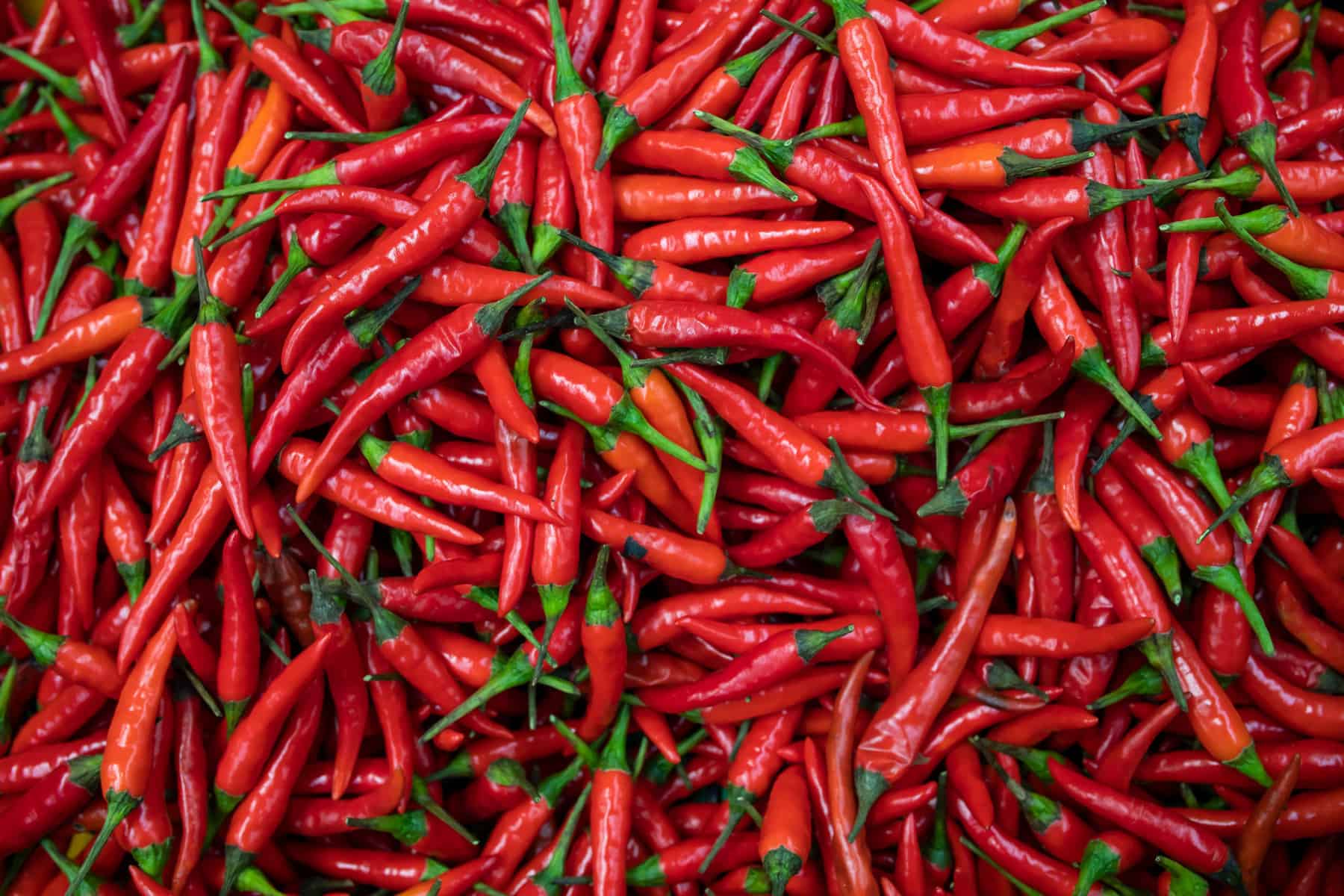
These thin, bright red peppers are a staple in Mexican cooking, landing close to cayenne on the heat scale. A little goes a long way toward waking up a dish.
Green Peppers: A Milder Choice
Green peppers - including the green stages of both Fresno and jalapeño - lean milder across the board. They're perfect when you want a gentle, refreshing contrast to a spicier dish.
Fun Facts About the Scoville Scale
Wilbur Scoville was a pharmacist who invented the Scoville Scale back in 1912 to measure capsaicin, the compound responsible for a pepper's heat. From mild bell peppers to fiery Carolina Reapers, it's still the tool chefs (and home cooks like us!) use to know exactly what we're getting into.
Honestly, could you imagine one of our family cooking nights without knowing the heat level of what's going into the pot? I sure can't!
Fresno Peppers vs Jalapeno: Which One Should You Use?
Still torn? Here's my quick rule of thumb: when it comes to Fresno peppers vs jalapeno, reach for jalapeño when you want that classic, grassy heat in salsas, tacos, or poppers. Reach for Fresno when you want a little more sweetness and fruitiness to dress up a sauce, salad, or garnish. And if a recipe calls for one and your fridge only has the other? Swap freely - the flavor will shift slightly, but your dish won't suffer one bit. That's the beauty of keeping both on hand!
Related Comparison Guides
- Cooking with sausage? Here's the chorizo and andouille breakdown - knowing the heat profile of one helps you pair the other.
- For the dairy that tames the heat, my Mexican crema vs sour cream guide sorts the cooling components.
- Buying the shrimp to go with all this? Read wild vs farm-raised shrimp first.



Comments
No Comments